Opinion
Los Angeles can't seem to clear a sidewalk. Now it can clock your speed on Sunset Boulevard and mail the bill to your house.
The Cameras Are Live
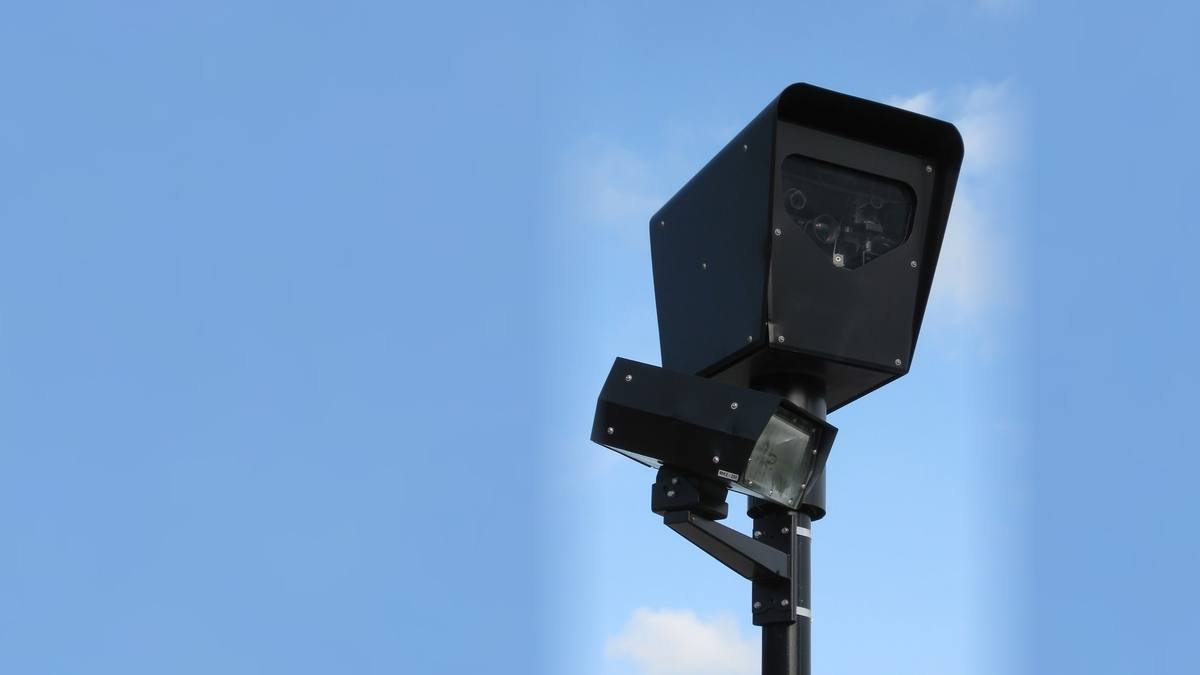
The first cameras in the city's speed camera pilot switched on Monday, Oct. 26. According to LADOT, the program will eventually put 125 "speed safety systems" on city streets, with all of them active by the end of 2026. FOX 11 reported that about 20 went live in the first wave, at spots including La Brea Avenue and 1st Street, Fairfax Avenue and Clinton Street, and La Cienega and Pico. More cameras are planned along stretches of Sunset, Olympic, Venice and Highland.
Here's how it works. If you go 11 mph or more over the limit, the camera photographs your rear plate. Each camera starts with a 60-day warning period, so no tickets go out right away. After that, the fines are:
- $50 for 11 to 15 mph over
- $100 for 16 to 25 mph over
- $200 for 26 mph or more over
- $500 for 100 mph or more
The Los Angeles Times reports that the ticket goes to the registered owner, even if someone else was driving. The violations are civil, so they don't put points on your license.
KTLA caught the cameras flashing before the official launch:
https://twitter.com/KTLA/status/2114748824095011182
The City's Case, to Be Fair
The program comes from AB 645, a state law signed in 2023 that lets six California cities run speed camera pilots. Los Angeles is one of them. The City Council approved it unanimously in March, according to FOX 11.
In a city report, LADOT cites national findings that speed cameras have cut speeding by as much as 82% and fatal crashes by as much as 70%. LADOT says the cameras will go where speeding and crashes happen most and near children and seniors. It also says the revenue will go back into street safety projects. Traffic deaths are real, and nobody here is defending people doing 60 through a school zone.
The Problem
What's hard to swallow is the priorities.
A city report says citation revenue could start coming in on or after Oct. 31. That gives the city an automated, around-the-clock way to enforce a speed limit. Now look at the sidewalks under those cameras.
The numbers are grim. LA County Public Health counted 1,135 fentanyl-related overdose deaths in 2025. That is down 10% from the year before, and the county deserves credit for the drop. But it is still more than a thousand people in one year. The county's latest homeless mortality report found that 2,208 unhoused people died in 2024, and overdose was the leading cause, at 40% of those deaths. The county says the overdose death rate among unhoused people is 46 times higher than in the general population.
Then there's who answers the calls. The New York Post reported this year that LAPD responds to roughly 40 homelessness-related calls an hour. The department has about 8,700 officers. Its chief told the Post the city really needs around 12,000.
So the camera on La Brea gets a vendor contract and a launch date. The person in crisis on the corner below it often gets a stretched-thin department and a wait.
Fix Both
None of this means people struggling with addiction should be treated like a speeding ticket. They need treatment, beds and real outreach, and they need it consistently, not only when the cameras are rolling. Angelenos aren't asking the city to pick between safe roads and safe sidewalks. They want the same urgency for both.
If City Hall can find a way to catch a Camry doing 46 in a 35, it can find a way to get the people living and dying on its streets the help they need. Until then, the cameras look a lot like the easiest problem the city chose to solve.
Photo: Joe Ravi / Wikimedia Commons (CC BY-SA 3.0)