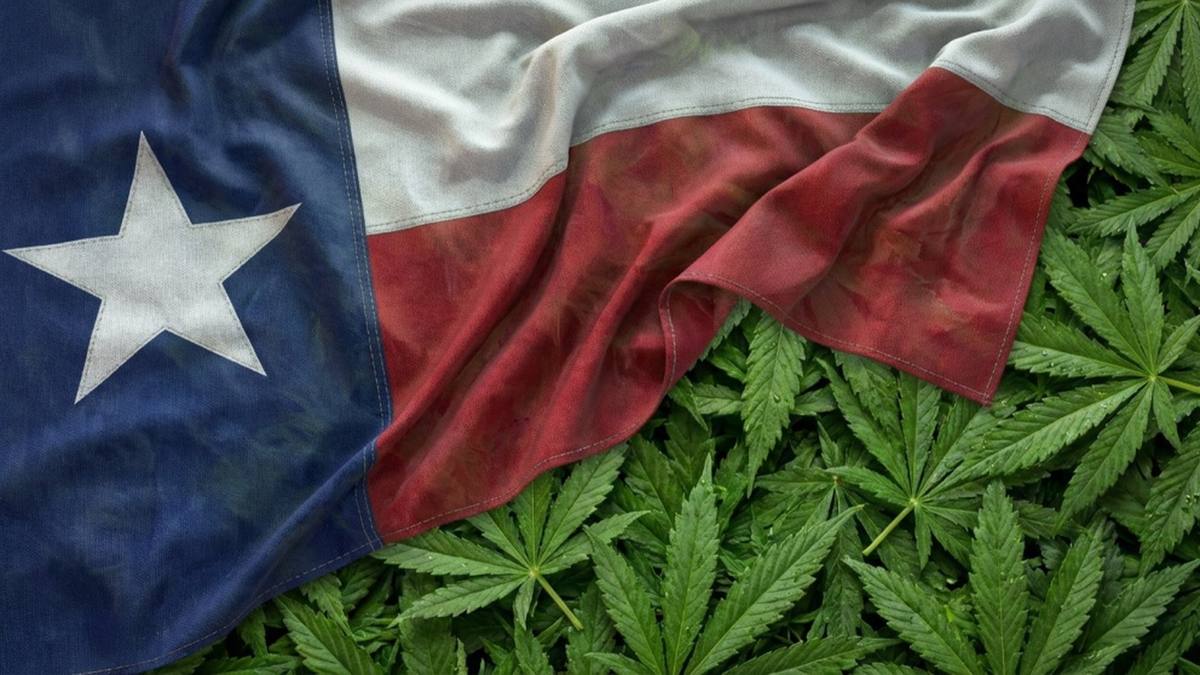
Texas Democrats did not wait for January. A week after midterm wins that, according to KERA, put the party in position to take the governor's office and the Texas House for the first time in decades, lawmakers started prefiling bills to legalize weed.
The Houston Chronicle reported that multiple cannabis bills were filed for the 2027 session after those sweeping wins. Recreational marijuana is still illegal in Texas. Nothing in these filings changes that today. They are an opening bid for the 90th Texas Legislature, which convenes Jan. 12, 2027.
Two ounces, 12 plants, and a tax
House Rep. Joe Moody, a Democrat from El Paso, filed HB 369, and Rep. John Bucy III, a Democrat from Austin, filed HB 362, the Chronicle reported. Both are titled the Texas Regulation of Cannabis Act, share almost identical provisions, and show a Nov. 9, 2026, filing date on Texas Legislature Online, the first day bills could be submitted for the session.
The House bills would legalize use and possession for adults 21 and older and, the Chronicle reported, aim to end possession arrests. Adults could transport up to two ounces of cannabis, including no more than 15 grams of concentrate, and grow up to 12 plants at home for personal use. USA Today, which reviewed the 37-page bills, reported that an adult could also give another adult the same amount without payment, so long as the transfer is not advertised, and that driving under the influence would remain illegal. KRLD reported the plants would have to stay in a locked, enclosed area not visible from a public place.
The Texas Department of Licensing and Regulation would oversee the program, and the Commission of Licensing and Regulation would write the rules, according to the Chronicle. Retail purchases would carry an additional 20 percent tax on top of regular sales taxes, and transfers from producers to dispensaries would be hit with a separate 15 percent tax. The Chronicle reported that schools would receive half of that revenue, with 25 percent going to a veterans' support fund, 15 percent to drug treatment programs, and 10 percent to local governments. KRLD identified the schools' share as the Permanent School Fund.
The House versions would also bar local governments from banning or unreasonably restricting marijuana businesses, the Chronicle reported. Cities and counties could still regulate hours, locations and the number of stores, USA Today said, but they could not shut the industry out. And if a bill passed and was signed, it would not mean shops the next morning. KRLD reported the measures would take effect Sept. 1, 2027, with rules due by July 1, 2028, and commercial licensing starting by Nov. 1, 2028.
The Senate bill leaves counties an out
On the Senate side, Sen. Carol Alvarado, a Houston Democrat, filed SB 237 on the same day, Texas Legislature Online shows. The Chronicle reported that her bill follows a similar legalization framework but raises the possession limit to 2.5 ounces, lets counties prohibit cannabis businesses, and does not impose new excise taxes, raising money instead through licensing and application fees.
That local-control difference could matter. KERA and USA Today both noted that Republicans kept their majority in the Senate even as Democrats flipped the House and the governor's office. Any legalization bill still has to clear a chamber the GOP controls.
A separate House bill, HB 330 from Rep. Mihaela Plesa, a Democrat, would let patients obtain medical cannabis for conditions including dysmenorrhea or premenstrual dysphoric disorder that cause menstrual pain, the Chronicle reported. Texas already runs a limited medical program, the Compassionate Use Program, which lawmakers expanded in 2025, KRLD noted.
The THC fight is how they got here
This did not appear out of nowhere. In 2025, then-Lt. Gov. Dan Patrick made a ban on consumable hemp products that contain THC a top priority. The Texas Tribune reported that Gov. Greg Abbott vetoed that bill, Senate Bill 3, on June 22, 2025, and called for regulation instead. Patrick pushed back hard. "I'm not mad at the governor, but I'm not going to legalize marijuana in Texas," he said, according to the Tribune. "If people want to vote me out of office for that, so be it."
Voters did. The Chronicle reported that Lt. Gov.-elect Vikki Goodwin unseated Patrick last week and had opposed the THC ban he championed.
"There's been conversations about, do we expand the Texas Compassionate Use Program, which is medicinal marijuana, or do we legalize it altogether?" Goodwin said, according to the Chronicle. "So we still need to have conversations about that."
Gov.-elect Gina Hinojosa has staked out a path of her own. In a Fort Worth Star-Telegram candidate questionnaire, she said, "I will sign any bill that comes to my desk sending marijuana and THC to the voters," and added that if voters approve, the state should "pass common-sense limits and tax sales." These new bills are not that referendum. They are an attempt to write a legal market into statute.
The session starts Jan. 12, 2027, and lawmakers can keep filing most bills until March 12, KERA reported. Until something passes both chambers and is signed, Texas weed law stays where it is. The first bills are already on the table.