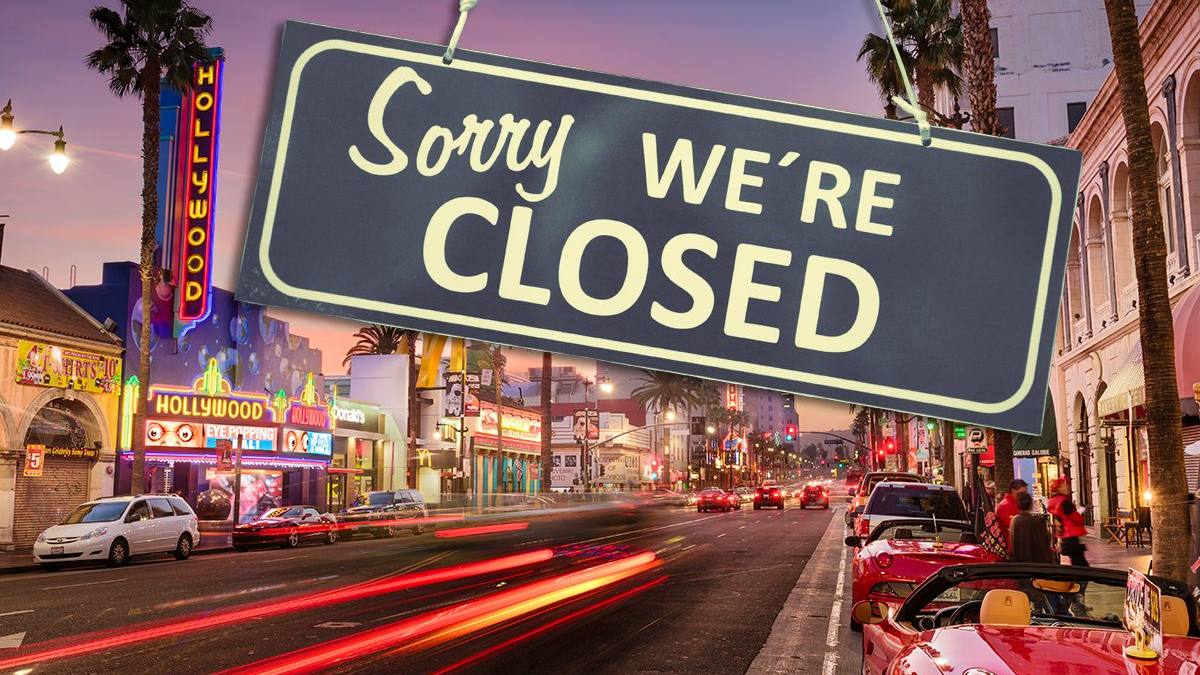
Los Angeles is running out of places to eat, and it is not a mystery who wrote the rules. At least 301 restaurants, bars, and cafes have closed inside city limits so far this year, the New York Post reported Saturday, citing a California Post analysis of city data published October 16. That is 25 percent more than the 241 closures recorded in all of 2025, and the tally does not even include Beverly Hills or West Hollywood, where more familiar names have gone dark.
Owners told the Post they were buried by minimum wage hikes, insurance bills, utilities, rent, and a permitting maze that can leave a liquor license sitting on a desk for months. Insurance and rent are ugly enough. The wages, the paperwork, and the double standard on the sidewalk are choices, made by a Democratic-run City Hall and a Democratic state that keep piling rules onto anyone who signs a lease and hires a staff — then look the other way when a cart rolls up at the curb.
https://twitter.com/nypost/status/2121806173405851743
The hit list is ugly. Downtown lost Rossoblu, the handmade-pasta spot Steve and Dina Samson closed on November 1 after nearly a decade; they told the Los Angeles Times their lease was up, costs were soaring, and business in 2026 had been "brutally slow." The Arts District's Everson Royce Bar called it quits after 11 years and did not mince words, writing on Instagram that Los Angeles is "this disturbingly difficult place to do business." Also gone inside the city: Sycamore Kitchen on La Brea and Sky's Gourmet Tacos in Mid-City. In West Hollywood, Employees Only, Connie and Ted's, and The Belmont shut down. Beverly Hills lost Crustacean after 30 years. Sunset Plaza's Sushiya, a celebrity sushi haunt since 1998, rolled its last maki in September.
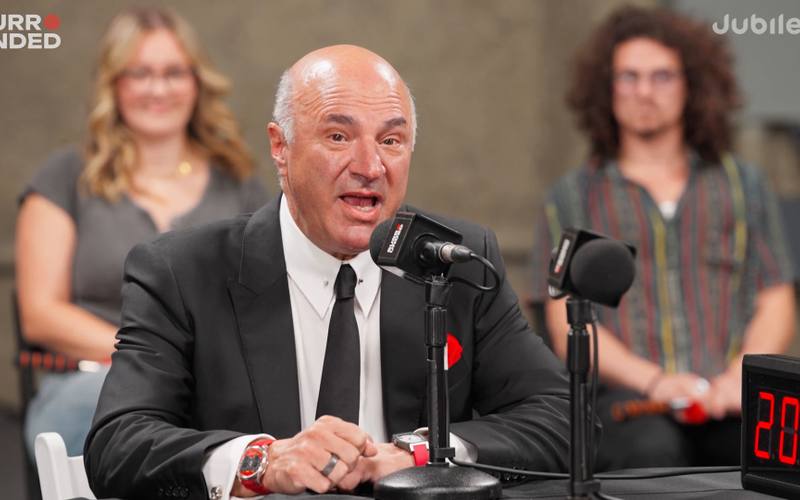
For Tom Sopit, managing partner of Employees Only, which closed in September after eight years, it was "death by a thousand cuts." He told the Post his liability insurance jumped 120 percent from 2021 to 2025, and he pointed to West Hollywood's $20.25-an-hour minimum wage and paid time-off rules, plus the exodus of entertainment jobs. The bar was still busy. Guests were just spending less. "We couldn't just keep passing everything along to the guests," Sopit said. "They're thinking, 'Why is this cocktail $25? That's insane. And I'm with them.'"
The wage pressure is citywide. Los Angeles raised its minimum wage to $18.42 an hour on July 1, according to the city's Office of Wage Standards. West Hollywood's non-hotel rate is $20.25. Governor Gavin Newsom, a Democrat, signed Assembly Bill 1228 in 2023, lifting the statewide minimum for covered fast-food chain workers to $20 an hour starting April 1, 2024. The city has a separate hotel-worker scale already at $25 an hour as of July, still scheduled to hit $30 in January 2030 even after the City Council delayed the final jump. Tricia La Belle, president of the Greater Los Angeles Restaurant Association, told the Post that soaring labor costs are "killing the industry." She owns five restaurants, has stopped taking a salary, and said she is considering closing them all and leaving California. "This city is not friendly to small businesses," she said. "I'd like out of the state of California, we are in one of the worst years."
Then there is the paperwork. In Mar Vista, Jeremy Adler's popular Beethoven Market lost its liquor license in December 2025 after neighbor complaints and was still waiting on a new one months after applying in May, the Post reported. "So many times there's a piece of paper sitting on a desk somewhere, and it just slows everything down," Adler said. He has had to hire attorneys and consultants. "The process is lengthy, it's expensive, it's cumbersome." Without booze, he said, he is losing money.
Outgoing Mayor Karen Bass, a Democrat, finally signed Executive Directive No. 24 on October 28, creating a self-certification program for outdoor dining, setting up in-person help at BusinessSource Centers, and telling city departments to look for money for a restaurant grant program. Her own directive admitted the obvious: "Opening, expanding, and maintaining a restaurant can require navigating multiple City departments, applications, fees, inspections, and burdensome regulatory processes." A memo on the way out the door does not reopen 301 dining rooms. Mayor-elect Nithya Raman, also a Democrat, takes over in December. The Post said the California Post asked her office for comment.
Here is the part that has restaurant owners ready to flip a table. The same governments that can shut down a dining room over unwashed hands or a fridge two degrees warm have spent years making it easier for sidewalk vendors to operate with barely a slap on the wrist.
In 2018, then-Gov. Jerry Brown, a Democrat, signed Senate Bill 946, the Safe Sidewalk Vending Act, authored by then-Sen. Ricardo Lara, also a Democrat. The law decriminalized sidewalk vending across California, limited what cities can regulate, and capped most violations at administrative fines — not arrest, not a misdemeanor. Los Angeles set up its own vending program after that. Vendors are still supposed to get a city permit, and food vendors also need a county health permit. In practice, almost nobody does.
An October 21, 2024, report to the City Council from the Bureau of Street Services said that as of September 30, 2024, only 687 vendors had active city permits — 53 of them for food — out of an estimated 50,000 vendors operating in the city. That is 1.4 percent. In fiscal year 2023-24, StreetsLA logged 10,077 complaints about non-compliant vending. The bureau's approach, the report said, starts with education and warnings. Administrative citations can be issued only if a vendor presents identification, and investigators cannot force anyone to show ID. The City Attorney processed 131 of those citations that year. Twenty-five were paid. After a City Council moratorium on ticketing vendors for operating without a permit expired, the bureau said it opted not to resume that enforcement and was investigating vending complaints only when there was a potential ADA issue or a serious threat to public safety.
It has not gotten tighter since. In August, Bass's office told the Post the mayor "stands firmly with street vendors" and had directed the LAPD to stop issuing criminal citations to unpermitted vendors, including those set up in front of brick-and-mortar shops. The office said it was also working to dismiss criminal citations it called improperly issued. Around the same time, the California Post reported that Los Angeles County Public Health had received 9,746 complaints about street food vendors from 2023 through early 2026, including allegations of raw meat left unrefrigerated, mice near open salsa, and a dog eating meat that was then served to customers. The county declined to say what came of many of those files and told the Post it had "shifted focus from street level unpermitted sidewalk food vending enforcement."
Stuart Waldman, CEO of the Los Angeles Business Federation, put the double standard in one sentence. "It's crazy to think that a brick-and-mortar restaurant can be shut down if the employees don't wash their hands, they leave butter out overnight, their refrigerator runs two degrees warmer than they're supposed to," he told the Post. "And street food vendors don't have bathrooms, employees aren't washing their hands, they don't have refrigeration — you name it."
Jot Condie, president of the California Restaurant Association, made the same case in a July Los Angeles Times op-ed, calling Senate Bill 946 an "enforcement vacuum." "Why must we pay tens of thousands of dollars in permits and follow every code on the books, while the vendor setup directly in front of our dining room door pays nothing and answers to no one?" he wrote. Along Pico-Union's El Salvador Corridor, restaurant owner Miguel Carranza, who started as a street vendor before opening El Corredor in 2010, told the Post his dining room can sit empty at lunch while vendors outside do not carry the same rent and overhead. Raul Claros, co-founder of the El Salvador Corridor Association, called the scene "the Wild Wild West."
City and county officials have even put money behind the carts. In January, Los Angeles announced a $2.8 million program to give away at least 281 health-code-compliant food carts, waive registration fees, subsidize health permits, and offer grants of up to $5,000, the Post reported. County Supervisor Hilda Solis, a Democrat, called it a chance at "generational wealth." Chef and Huntington Beach Councilman Andrew Gruel, who built Slapfish from a food truck, told the Post the problem is simpler: "There's two different sets of rules." Licensed hot-dog vendor Anthony D'Eugenio, who said he pays $750 a year for his permit plus insurance, taxes, and a commissary, was blunter after Bass's citation order. "Why is it that only brick and mortars have to abide by high scrutiny?" he asked.
Nobody is arguing that a taco on the sidewalk is a crime against California. Plenty of vendors work hard, and the legal ones are getting undercut too. The fight is about a city that will audit a restaurant's hand sinks and insurance premiums into the grave, then shrug when an unpermitted cart sets up at the curb. La Belle asked the Post what happens to the strip malls when the restaurants are gone. "They're just going to become havens for more homeless," she said. "Our communities are losing the backbone of what makes them viable and what makes them safe." That is not a street-food success story. That is a government that regulated the dining rooms to death and let the sidewalks run themselves.